


The Importers Guide to Partnering with Direct Trade Arabica Coffee Exporters
Sourcing Summary & Key Facts (TL;DR)
Understand how direct-trade models bypass brokers to establish sustainable supply chains and guarantee premium Arabica cup quality.
- Trade Status: Grade quality certified by global pre-shipment inspectors.
- Sourcing Directives: Available for bulk containerized imports (FOB & CIF terms).
- Supply Reliability: Vertically integrated cooperative sourcing with full tracing.
Sourcing premium raw materials in the global agricultural commodities market is a critical task for wholesale buyers, purchasing managers, and supply chain directors. For commodities like direct trade arabica coffee exporter, high-performance physical metrics, certified cleanliness, and logistics safety are paramount to operational success.
Executive Summary & Market Context
In the highly competitive global trading landscape, quality consistency and transaction security are the cornerstones of successful procurement. Large manufacturing concerns cannot afford supply disruptions or sub-standard physical inputs. The global production and supply network for direct trade arabica coffee exporter requires precise monitoring of harvest cycles, export quotas, and domestic logistics in major origin hubs. Buyers must evaluate the total landed cost of their bulk shipments, factoring in freight insurance, port clearing tariffs, and domestic handling costs. Utilizing a vertically integrated supplier reduces baseline trade friction, eliminates speculative broker margins, and guarantees full traceability. Learn more about our bulk supply capabilities to see how we maintain direct field custody. According to global agricultural indices published by the International Coffee Organization (ICO) global trade standards, structural demand remains strong across all key international trade lanes.
Additionally, risk mitigation under unpredictable global macroeconomic shifts dictates that purchasing directors diversify their geographic sourcing bases. Sourcing networks should build redundant channels across East Africa, Latin America, and South-East Asia. This geographic diversification acts as a shield against localized climatic events, political challenges, or major ocean freight disruptions, guaranteeing a constant flow of certified raw materials for continuous factory operations.
Agronomic Production & Quality Grading Systems
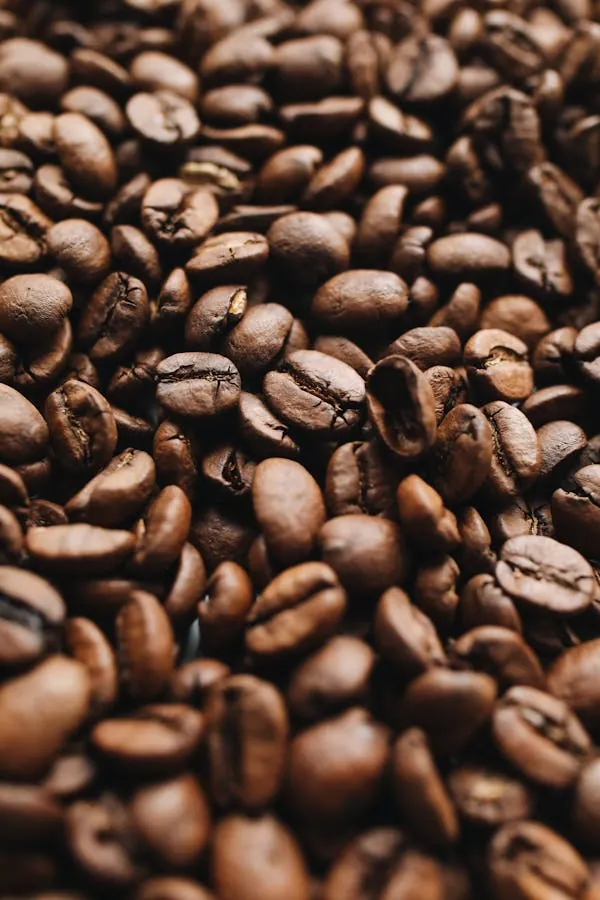
The cultivation and harvesting of Coffee requires specific climatic environments, rigorous crop management, and specialized decorticating or shelling mills. The physical quality of Coffee is evaluated using globally standardized grading systems. For instance, color, fiber length, bean size (screen size), kernel counts, piperine content, and moisture percentages dictate standard commercial valuation. Premium grades command higher market prices because they drastically reduce processing defects and machinery wear-and-tear for end-manufacturers.
Agronomic crop management dictates the physical integrity of the final commercial grade. For instance, controlled fermentation, systematic hand-sorting, and standard drying preserve natural characteristics and prevent mold or rot. Processing mills must be carefully managed by experienced operators to minimize breakage or density variations, which can impact end-manufacturing yields. Certified pre-shipment inspections are mandatory in large bulk transactions. Third-party testing companies, such as SGS or Bureau Veritas, verify technical specifications at the loading port, generating a Certificate of Analysis (COA). Detailed biological profiles of the species can be found in the Wikipedia Arabica Coffee Botanical Profile for reference.
Technical Specifications & B2B Grading Benchmarks
The following comparative table displays standard B2B specifications, visual parameters, and optimal commercial applications for various commercial grades within this product category, helping procurement teams choose the exact grade matching their manufacturing requirements.
| Grade / Specification | Physical Length / Size | Tensile / Moisture (%) | Cleanliness / Density | Color / Appearance | Primary B2B Application |
|---|---|---|---|---|---|
| Premium Grade (3L / AA / W180) | 90 - 120 cm / Screen 18+ | < 10% / High Strength | < 0.5% Impurities | Creamy White / Bold Luster | High-End Ropes, Specialty Paper, Composites |
| Standard Grade (SSUG / AB / W240) | 75 - 100 cm / Screen 16 | 10 - 12% / Medium-High | < 1.0% Impurities | White to Pale Cream | Twines, Premium Food Processing, Carpets |
| Utility Grade (UG / C / W320) | 60 - 90 cm / Screen 15 | 11 - 13% / Standard | < 1.5% Impurities | Yellowish to Light Beige | Polishing Wheels, standard Cordage, Food Industry |

International Logistics, Shipping & Containerization
Global trade of bulk Coffee requires comprehensive shipping documentation, phytosanitary clearance, and precise containerization planning. Standard orders are containerized in 20-foot or 40-foot High Cube (HC) containers, utilizing protective packaging to prevent moisture ingress. Buyers can purchase under Incoterms 2020 terms: FOB (Free On Board) gives the importer maximum freight control, while CIF (Cost, Insurance & Freight) shifts shipping responsibility to the exporter.
Logistical efficiency is key to maintaining low wholesale transaction costs. Sourcing raw commodities involves managing extensive maritime shipping routes, custom clearances at origin ports, and multi-modal handling. Standard shipments utilize protective desiccant bags to prevent moisture accumulation during long transit times across major sea channels. Understanding Incoterms 2020 is critical: choosing FOB Mombasa or Santos gives purchasing managers total control over ocean freight rates and logistics schedules, while CIF shifts risk and freight booking responsibilities to the exporter. Additionally, custom clearance compliance requires precise document preparation. Key documents like the Bill of Lading, Commercial Invoice, Packing List, Certificate of Origin, and Phytosanitary Certificate must be perfectly aligned and provided to the buyer's clearing agent at least 10 days before the vessel arrives.

Contract Structuring & Risk Management in Sourcing
Securing consistent supply involves structuring robust long-term agreements (LTAs). These legal frameworks must define exact specification tolerances, third-party SGS or Bureau Veritas inspection protocols at origin port, force majeure clauses, and secure payment terms (such as Letters of Credit or Telegraphic Transfers). Fostering transparent grower-to-factory direct relationships minimizes transactional friction and ensures compliance with international quality standards.
Drafting robust contracts is a vital shield against pricing volatility and supply discrepancies in the commodities market. Long-Term Supply Agreements (LTAs) should include dynamic price indexation clauses, exact quantity tolerances, and designated independent inspectors. The legal contract must also establish secure international payment terms, utilizing letters of credit (L/C) or advanced bank transfers (T/T against shipping documents) to protect the interests of both trading parties. Furthermore, dispute resolution clauses should specify neutral arbitration jurisdictions, such as the London Court of International Arbitration (LCIA) or the Singapore International Arbitration Centre (SIAC). Selecting a recognized global legal standard ensures that any contractual disputes, delays, or force majeure events can be resolved efficiently.
Sustainability, Ethical Labor & Supply Chain Transparency
Modern supply chain management prioritizes environmental responsibility and social audits. Eco-conscious buyers require full traceability from farm gate to destination port. Sourcing from certified organic agricultural cooperatives ensures zero chemical pesticide usage, fair wages for plantation workers, and zero child labor. Natural plant products contribute to active carbon sequestration, supporting greenhouse gas reduction targets. Integrating environmental responsibility and social auditing is now mandatory for premium brand positioning. Corporate sustainability targets require full trace-to-farm accountability. Sourcing directly from certified agricultural cooperatives ensures that growers receive fair wages, farm workers have safe conditions, and child labor is strictly prevented. Eco-friendly plant-based commodities naturally sequestrate carbon during growth, helping wholesale manufacturers lower their scope 3 emissions and meet international ESG compliance frameworks.
Conclusion & Direct Sourcing Action Steps
Successfully sourcing Coffee at scale demands meticulous due diligence, technical grade alignment, and robust logistics contracts. UPL Global Holdings is a premier manufacturer and exporter committed to shipping certified bulk commodities directly from origin cooperatives globally. Explore our premium product line today to evaluate our technical specifications. For detailed custom pricing or to discuss your specific bulk requirements, request a custom quotation today. Our logistics team is ready to secure your international supply line.
Ready to Get Started?
Contact UPL Global Holdings for competitive wholesale pricing, certified quality, and worldwide shipping.